Investing in cleaner rivers starts underground.
ALCOSAN’s Clean Water Plan is building a cleaner future for our waterways.
Beneath every neighborhood, a system protects public health and our rivers.
Combined stormwater and sewage can overwhelm the system and reach waterways.
Three projects, one regional strategy,
cleaner water for future generations.
New regional tunnels will capture more combined stormwater and sewage before it reaches our rivers.
Clean Water Starts Here
Allegheny County has a combined sewer system that carries both sewage and stormwater. During heavy rain or snowmelt, the system can become overwhelmed, causing untreated combined sewer overflows to enter local rivers and streams.
The new regional tunnel system will capture these wet weather flows and transport them to ALCOSAN’s treatment plant, where they can be properly treated before returning to the environment.
In a typical year, the system is expected to reduce wet weather overflow volumes by 70–75%—keeping approximately 7 billion gallons of combined sewer overflow out of our waterways. Resulting in cleaner rivers and streams, healthier communities, and a stronger future for our region.
Enhance public health
Capture billions of gallons of combined sewage before it reaches our waterways for treatment.

Cleaner waterways
Restore what belongs in our waterways - and remove what doesn't.
Positive economic impact
A once-in-a-lifetime project delivering once-in-a-lifetime opportunities.
Three major tunnel projects. One connected system.
The regional tunnel system is made up of three major projects working with the Ohio River Tunnel (ORT), the Allegheny River Tunnel (ART), and the Monongahela River Tunnel (MRT).
The ORT is the first to move forward, laying the foundation for the larger connected system. It’s being built alongside a new Wet Weather Pump Station at ALCOSAN’s treatment plant — a critical piece of the system that will help move captured overflow to the plant for treatment. Together, these investments are providing long-term protection for our region’s rivers and streams.
Dig into each regional tunnel
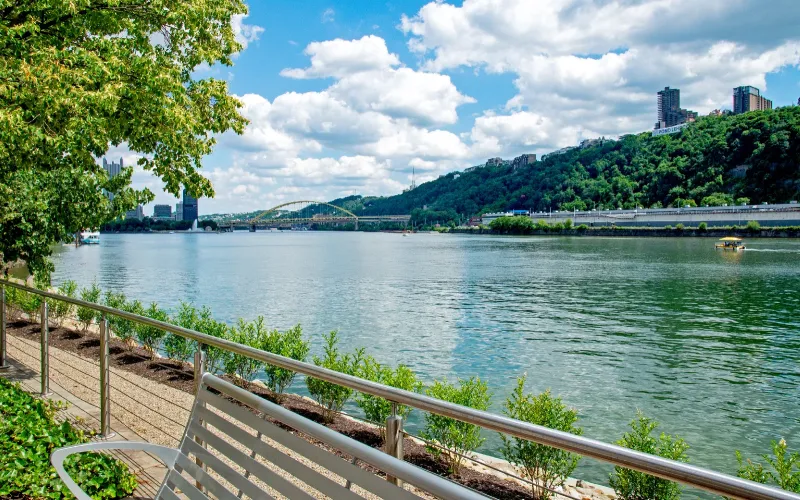
Ohio River Tunnel (ORT)
Reducing overflows into the Ohio River and the Allegheny River west of the Veteran's Bridge.
Ohio River Tunnel (ORT)
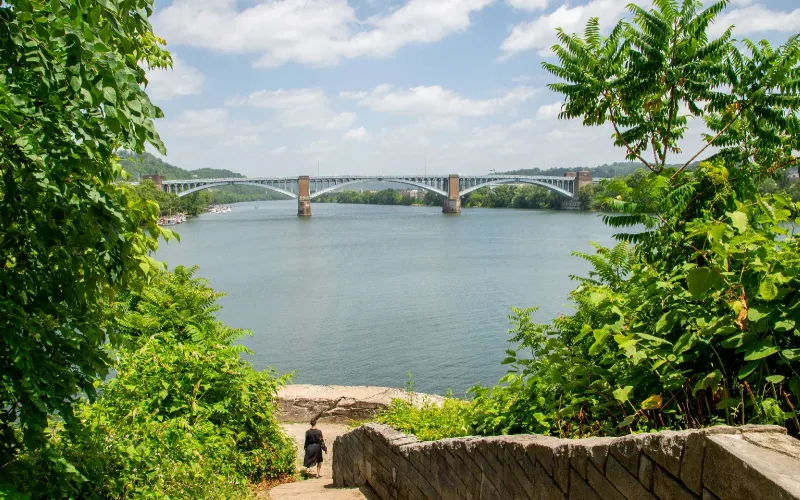
Allegheny River Tunnel (ART)
Extending to the communities along the Allegheny River.
Allegheny River Tunnel (ART)
Monongahela River Tunnel (MRT)
Capturing overflows along the Monongahela River.
Monongahela River Tunnel (MRT)
Construction across the region
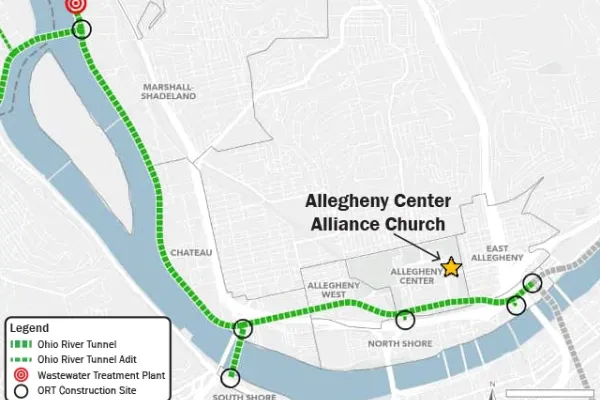
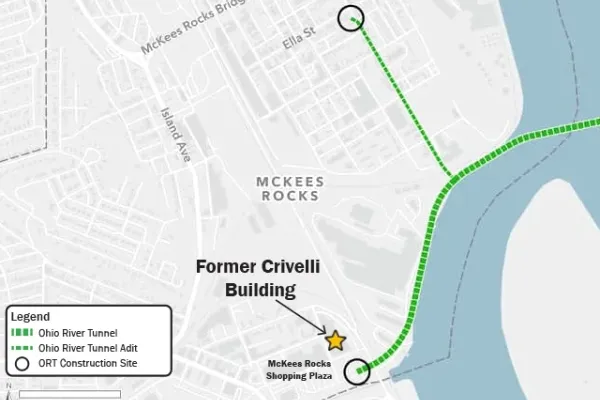
Click on the major construction sites along the ORT below to learn more.
8 construction sites across all tunnels.
The Regional Tunnel System
By the numbers
Building a cleaner, healthier future for our region.
16Miles of new regional tunnel
70% reduction in wet-weather overflow volume in a typical year
Tunnels in the system: ORT, ART, MRT.
$5.8Billion in economic output for Allegheny County
$3.7Billion in capital investment
1,760+ Jobs annually
How does the system work?
The proposed facilities will tie to the existing combined sewer system and divert excess wet weather flows away from the outfalls, moving them instead to the treatment plant. Most infrastructure will be below ground with tunnels sitting at about 120-150 feet below ground.
-
Rain enters the system
New regulators will send the excess flow through consolidation sewers to drop shafts.
-
Tunnels capture excess flow
New drop shafts will bring wet weather flows deep underground, through connector tunnels (or “adits”) into the new wet weather tunnel.
-
More water is treated
The new wet weather tunnel will convey flows to the new pump station at the treatment plant (and will also act as storage).
Tunnels 120–150 feet below ground
Inside look at the Tunnel and Near-Surface Facilities
The new facilities will include over 16 miles of wet weather tunnel, 40 regulators, and 31 shafts as well as about 4 miles of consolidation sewer. These facilities will connect to the existing combined sewer system, which includes similar facilities consisting of approximately 31 miles of deep tunnel interceptors, over 200 combined sewer regulators and associated shafts, and 13 access shafts.
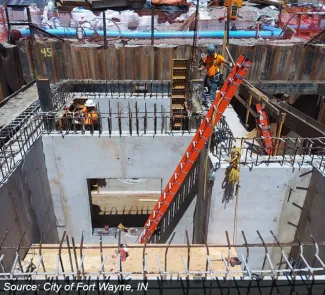
Regulators are underground structures that are built along existing sewers to control where sewage is sent. Regulators allow normal dry weather flow to continue to the existing sewer network but during wet weather, they divert flow to drop structures and into the tunnel via consolidation sewers.
It is anticipated that these regulator structures will be sized from 6-feet by 12-feet to 28-feet by 50-feet.
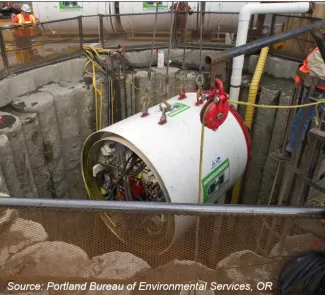
Consolidation sewers are sewers that convey some of the combined sewage to the drop shafts that then transfer the flow to the main tunnels. Consolidation sewers avoid building additional drop shafts and long connections to the main tunnels.
Consolidation sewers are anticipated to range between 24 inches and 144 inches in diameter with depths ranging between 10 feet and 50 feet below ground. Depending on conditions at the location the consolidation sewers could be built using micro-tunneling techniques or an open-trench approach.
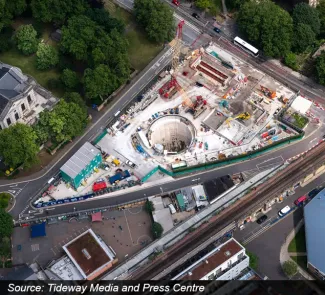
Drop shafts are deep, vertical structures that transfer the combined sewage from the surface to the tunnels.
Their design includes hydraulic structures to manage the flow as it drops and to dissipate the energy generated to prevent damage to the drop shaft and the tunnels. The drop shafts are anticipated to range between around 15 feet and 50 feet in diameter depending on location.
The size of the construction area depends on the diameter of the drop shafts. Typically, an acre is required for safe and efficient construction.
After construction, once the hole is covered, only access for maintenance activities is required.
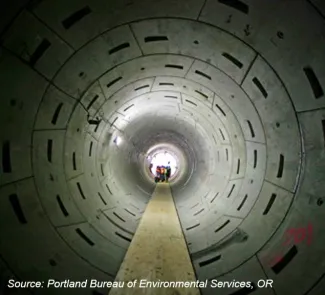
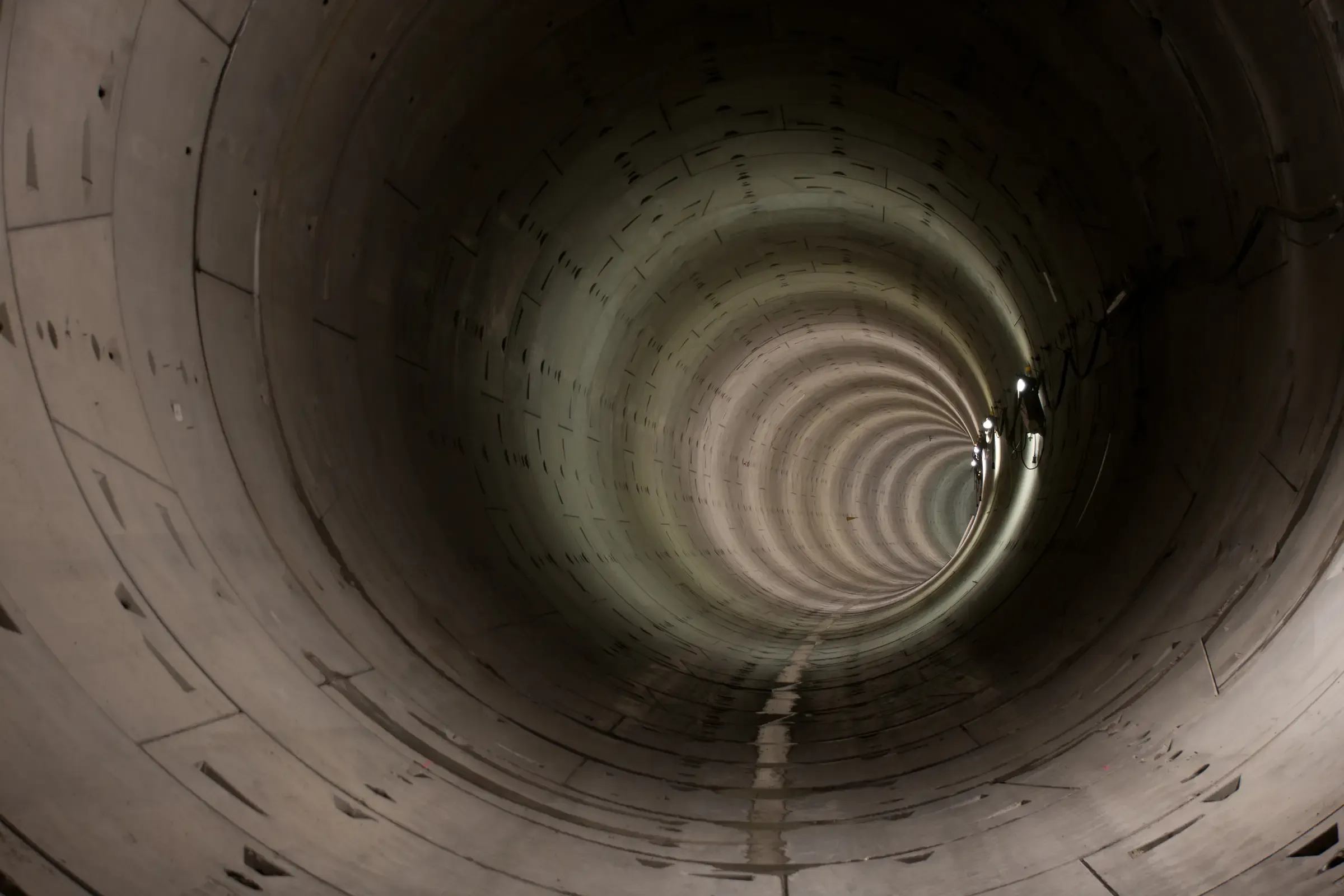
The new deep tunnels are underground structures designed to convey the combined sewage from the drop shafts to the new wet weather pump station for treatment at ALCOSAN’s wastewater treatment plant (WWTP) during wet weather events. At times the tunnel system will temporarily store excess flow until it can be treated at the WWTP.
The main tunnels will primarily be constructed using large tunnel boring machines that will be lowered from the surface and later retrieved via construction shafts.
What's happening
Alerts, public meetings and construction progress across the tunnel system.